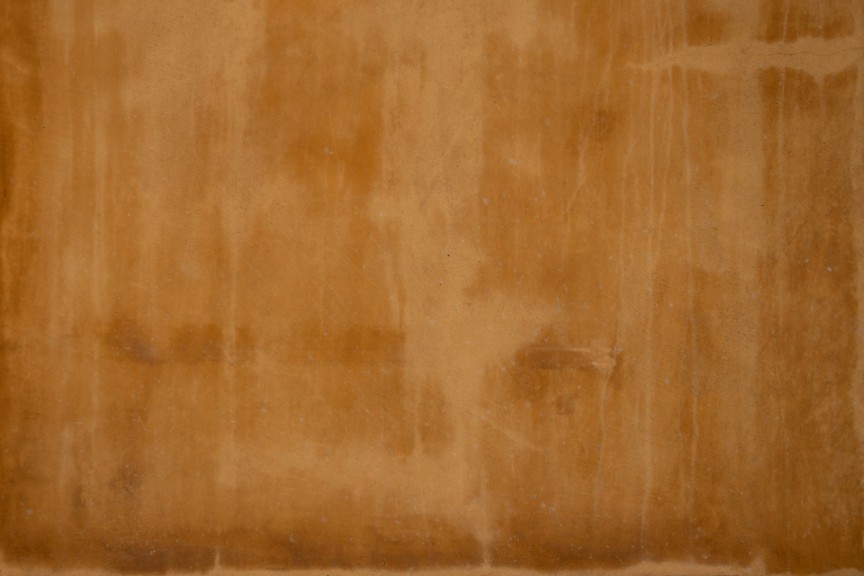
Water damage rarely begins with a dramatic burst pipe or a collapsed ceiling. More often, it starts quietly: a faint stain near a baseboard, paint that begins to bubble, a floorboard that feels slightly soft, or an odor that seems to linger no matter how often the room is cleaned. Recognizing those early signals can save property owners from structural repairs, indoor air concerns, and the need for more extensive Environmental remediation services later on. Whether you manage a commercial building or care for a family home, the ability to spot water damage early is one of the most practical ways to protect the value, safety, and livability of the space.
Why Early Detection Matters Before Damage Escalates
Water moves fast, but its consequences often unfold slowly. Once moisture gets behind walls, under flooring, or into insulation, it can weaken materials that initially appear intact from the surface. Drywall may still look stable even as its interior breaks down. Wood can swell before it visibly warps. Ceiling stains can represent a leak that has been active for weeks rather than days.
The real cost of water damage is not always the first repair. It is the secondary damage that follows when moisture is allowed to remain in place. That can include deterioration of structural materials, damage to finishes, electrical concerns, and conditions that support microbial growth. In both residential and commercial settings, early identification is what keeps a manageable repair from becoming a disruptive restoration project.
When a moisture issue becomes more than a simple cleanup
A small spill or isolated plumbing leak may only require drying and a targeted repair. The situation becomes more serious when moisture spreads into porous materials, returns repeatedly, or is tied to a hidden source. At that point, what looks like a cosmetic issue may actually call for deeper investigation and a more careful remediation plan.
The Most Reliable Signs of Water Damage
Some signs of water damage are obvious, while others are easy to dismiss until the problem worsens. The key is to pay attention to changes in texture, smell, color, and material performance rather than waiting for severe visible damage.
| Warning sign | What it may indicate | Why it matters |
|---|---|---|
| Brown, yellow, or copper-colored stains | Active or previous leaks from plumbing, roofing, or HVAC systems | Discoloration often means water has already traveled beyond the visible spot |
| Bubbling paint or peeling wallpaper | Moisture trapped behind finished surfaces | Surface failure is often one of the earliest visible signs of hidden dampness |
| Warped wood, buckling floors, or swollen baseboards | Material expansion caused by prolonged moisture exposure | These changes suggest water has penetrated below the surface, not just touched it |
| Persistent musty odor | Lingering moisture in enclosed spaces or absorbent materials | Odor can appear before staining or visible growth becomes obvious |
| Soft drywall or sagging ceilings | Water saturation in wall or ceiling cavities | This can signal structural weakness and should be addressed quickly |
Beyond these classic warning signs, watch for subtle shifts in how a room feels. If a space suddenly seems more humid than usual, windows collect repeated condensation, or a previously dry area now feels damp to the touch, those changes deserve attention. Water damage often announces itself through patterns rather than a single dramatic symptom.
It is also important to trust changes that seem minor but persistent. A stain that grows after rain, a bathroom wall that never quite dries, or recurring dampness around a sink cabinet usually points to an unresolved source. When the same symptom returns, the issue is not cosmetic. It is active.
The Places Water Damage Most Often Starts
Some areas are far more vulnerable than others because they combine water sources, enclosed spaces, and limited day-to-day visibility. Checking these spots regularly can help catch a problem before it spreads.
- Under sinks and around supply lines: Slow drips inside cabinets often go unnoticed until shelving swells or odors develop.
- Behind toilets, tubs, and showers: Failed seals, grout deterioration, and hidden plumbing leaks are common sources of chronic moisture.
- Around water heaters and laundry equipment: Aging hoses, drain line issues, and pan overflows can create sudden or slow-developing damage.
- Near windows and exterior doors: Failed caulking or drainage issues can let rainwater move into framing and drywall.
- Attics and ceilings: Roof leaks and ventilation problems may first show up as stains far from the actual source.
- Basements, crawl spaces, and utility rooms: These areas are especially vulnerable to seepage, humidity buildup, and unnoticed leaks.
Commercial properties add another layer of risk because water damage may begin above ceiling tiles, around rooftop HVAC systems, in janitorial rooms, or behind walls in high-use restrooms and break areas. In larger buildings, the source and the visible symptom are often separated by distance, which makes early inspection even more important.
What to Do as Soon as You Notice a Problem
Once you suspect water damage, speed matters. Even a short delay can allow moisture to move into additional materials and increase the scope of repair.
- Find and stop the source if it is safe to do so. Shut off a local water valve, stop using the affected fixture, or contain runoff with towels or buckets.
- Document what you see. Take clear photos of stains, swelling, affected contents, and the surrounding area. This helps with repair planning and any insurance communication.
- Remove vulnerable items. Move rugs, furniture, boxes, and fabrics away from the damp area to reduce secondary damage.
- Increase airflow. Use fans and ventilation where appropriate, but understand that air movement alone may not dry hidden cavities or saturated materials.
- Do not seal over the evidence. Painting over stains or patching drywall before the source is identified usually delays the real repair and can hide worsening damage.
It is equally important to know what not to do. If the water may be contaminated, if electrical systems are involved, or if the affected area has a strong odor and prolonged dampness, avoid treating it like a routine household cleanup. A quick surface dry-out may make the room look better while the deeper problem remains active.
When Environmental Remediation Services Are the Right Next Step
Professional help becomes especially important when water has been present for more than a brief period, when materials remain damp despite ventilation, or when there are signs that the problem extends behind walls, under floors, or into insulation. The same is true when the source involves sewage backups, storm intrusion, repeated flooding, or long-standing leaks that have affected indoor air quality and building materials.
In those situations, Environmental remediation services can help address not only the visible damage, but also the hidden moisture, compromised materials, and contamination concerns that often accompany water intrusion.
For property owners who want a clear assessment rather than guesswork, Quality Remediation offers commercial and residential restoration services near you with a practical focus on identifying the source, evaluating the spread, and outlining what is actually needed to return the space to a safe condition. That kind of informed response matters because overtreating a small issue wastes money, while undertreating a hidden one can allow it to return.
The most expensive water damage is usually the damage that was ignored at its earliest stage. A stain, odor, or warped board may seem minor in the moment, but those details are often the first warning that moisture is already at work behind the surface. If you act early, you may only need a focused repair and proper drying. If you wait, Environmental remediation services may become essential to correct a much larger problem. The smartest approach is simple: inspect carefully, respond quickly, and treat small signs like the important signals they are.
——————-
Check out more on Environmental remediation services contact us anytime:
Quality Remediation | mold remediation
https://www.qualityremediation.com/
Discover the ultimate solution for quality remediation! Visit karinwolfe116.wixsite.com/quality-remediation and unlock a world of advanced techniques and innovative strategies to tackle any remediation challenge with utmost precision and perfection. Get ready to revolutionize your remediation process for unparalleled results!