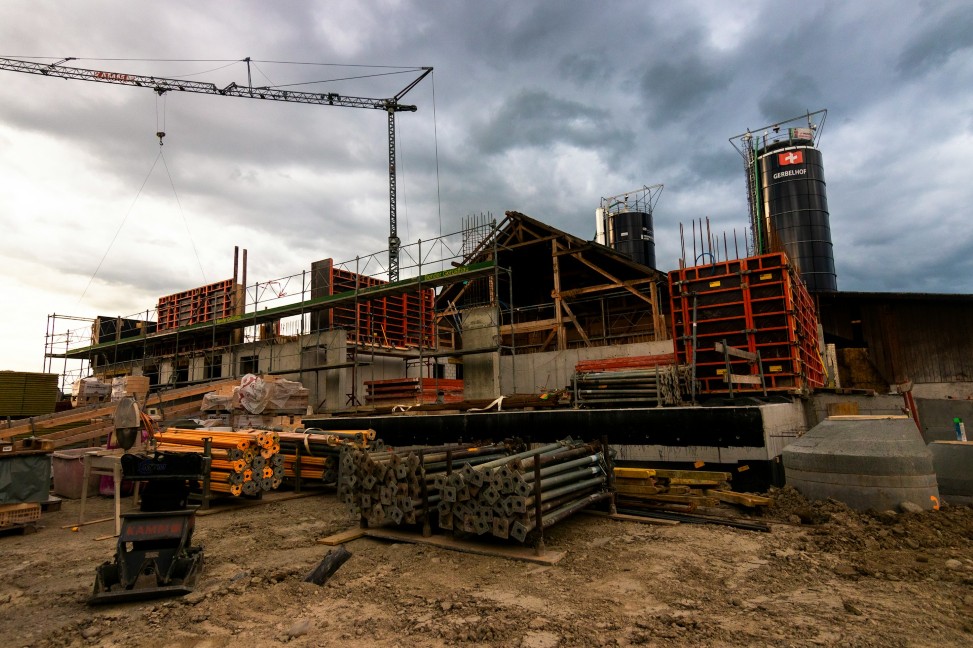
On any construction, maintenance, or industrial site, scaffolding is often judged by its steel, load capacity, and configuration. Yet the true difference between a workable system and a costly problem usually lies in the quality of technical support behind it. Industrial scaffolding solutions are not simply products delivered to a site; they are engineered access systems that must respond to structure geometry, work sequencing, safety controls, and changing field conditions. When support is weak, delays, rework, and unnecessary exposure to risk tend to follow quickly.
Technical support matters because scaffolding affects far more than access. It influences labor productivity, sequencing, inspection routines, material handling, and the ability to keep a site moving without compromising safety. Whether the project involves facade work, industrial maintenance, interior installations, or short-term interventions in complex spaces, the right guidance can help teams choose the proper configuration from the start and adapt it responsibly as the project evolves.
Technical support turns scaffolding into a working system
Scaffolding should never be treated as a generic accessory. Even when standard components are used, each project introduces variables that need interpretation: floor conditions, load requirements, tie-in points, clearance limitations, weather exposure, surrounding operations, and access routes for workers and materials. Technical support is what translates these variables into a coherent and safe setup.
Strong support begins before the first frame or platform reaches the site. It includes understanding the nature of the work, reviewing the environment, identifying restrictions, and recommending an assembly that fits the task rather than forcing the task to fit available stock. This is particularly important on industrial sites, where existing equipment, piping, uneven surfaces, or confined work zones can make a basic arrangement unsuitable.
Good technical support also continues after delivery. Scaffolding often needs adjustments as trades progress, elevations change, or access points shift. A responsive support team helps ensure that modifications remain aligned with structural logic and site safety procedures instead of becoming improvised field decisions.
Where technical support adds the most value in industrial scaffolding solutions
The practical benefits of technical support can be seen across the full life cycle of a scaffold system. It is not only about preventing mistakes; it is also about improving clarity, speed, and consistency on site.
| Project stage | Technical support focus | Main benefit |
|---|---|---|
| Planning | Site review, load considerations, access strategy, component selection | Better fit for the work and fewer late changes |
| Assembly | Configuration guidance, stability checks, sequence coordination | Safer installation and clearer execution |
| Use | Inspection criteria, adaptation support, issue resolution | Reduced downtime and safer daily operation |
| Dismantling | Orderly removal planning and component control | Lower risk of damage, confusion, or unsafe shortcuts |
In practice, technical support is most valuable in five areas:
- Configuration accuracy: selecting the correct system, height, platform arrangement, and bracing for the intended work.
- Risk reduction: identifying instability factors, overload concerns, and unsafe access assumptions before they become field problems.
- Operational continuity: minimizing work stoppages caused by missing pieces, poor fit, or avoidable redesign.
- Compliance support: helping teams align equipment use with site procedures, inspections, and documented requirements.
- Resource efficiency: avoiding overbuilding, underbuilding, or renting components that do not match actual needs.
For contractors and maintenance teams, this level of support often separates an orderly project from one that becomes reactive. The larger or more complex the site, the more important that distinction becomes.
What reliable technical support should include
Not every provider offers the same depth of support. Some deliver equipment efficiently but leave planning and adaptation almost entirely to the client. Others treat support as a core part of the service. The difference is significant, especially when projects involve deadlines, multi-trade coordination, or difficult access conditions.
Reliable support should include the following elements:
- Needs assessment: a real effort to understand the task, work area, duration, and constraints before recommending a solution.
- System suitability: guidance on whether frame scaffolding, modular systems, rolling towers, shoring elements, or mixed configurations are appropriate.
- Assembly criteria: clear instructions or supervision parameters for safe erection and use.
- On-site responsiveness: availability to solve unexpected issues when dimensions, sequencing, or access conditions change.
- Component consistency: assurance that the pieces supplied match the approved configuration and project scope.
- Inspection awareness: practical support so users know what to review during setup and throughout the rental or use period.
This is why experienced site managers often value a technically engaged supplier as much as the equipment itself. For teams seeking dependable Industrial scaffolding solutions, the best results usually come from providers that can explain not only what they supply, but why a particular arrangement suits the structure, the workflow, and the safety conditions of the job.
Choosing a scaffolding partner with technical depth
When selecting a scaffolding provider, price and availability matter, but they should not be the only criteria. A lower initial cost can quickly lose value if the equipment arrives without the technical clarity needed for efficient use. Delays, adjustments, and preventable safety concerns are often far more expensive than choosing a provider that understands the job from the outset.
A practical selection process should look for evidence of technical depth, including:
- Ability to discuss the project in operational terms, not just inventory terms
- Familiarity with industrial, commercial, and maintenance environments
- Willingness to review constraints before confirming a recommendation
- Clear communication during delivery, assembly, use, and retrieval
- Local responsiveness when the project timeline is tight
In Mexico City, this combination of equipment access and technical guidance is especially valuable because projects often face dense urban logistics, limited staging space, and fast-moving schedules. Businesses such as Fabricantes de Andamios | Andamios Renta en CDMX | Andamios Tlalpan are most useful when they operate not simply as suppliers, but as informed partners that understand local project realities and the practical demands of scaffold deployment.
A simple checklist for site managers before approving a scaffold setup
Even with solid supplier support, the client side still plays an important role. Site managers, supervisors, and coordinators benefit from a short review process before authorizing use. A disciplined checklist helps confirm that planning has translated correctly into the field.
- Does the scaffold match the actual task, reach, and worker flow required?
- Are foundations, support surfaces, and stability measures appropriate for the environment?
- Have load expectations been considered realistically, including workers, tools, and materials?
- Are access points, platforms, guardrails, and movement paths clear and consistent?
- Has responsibility for inspection and adjustment been defined?
- Is there a clear process for requesting changes instead of improvising them on site?
This kind of review does not replace engineering judgment or formal site controls, but it supports better discipline in daily operations. It also reinforces a central point: the safest scaffold is not the one with the most material, but the one that is correctly planned, correctly assembled, and correctly supported throughout its use.
Technical support is therefore not an optional extra in scaffolding. It is a functional requirement for safe access, stable execution, and efficient project flow. Industrial scaffolding solutions deliver their real value when they are backed by informed planning, responsive field guidance, and a provider that understands how equipment performs under real site conditions. For any company responsible for productivity and safety, choosing that level of support is not just prudent; it is essential.